Dialysis is an important treatment for people whose kidneys can no longer adequately remove waste and excess fluid from the blood. Understanding how dialysis works can help patients and caregivers feel more prepared and confident throughout the treatment journey.
What Is Dialysis?
Healthy kidneys perform several important functions, including removing waste products and excess fluid from the blood and helping maintain the body’s balance of minerals.
When kidney function becomes severely reduced, waste and fluid can build up in the body. Dialysis is one of the treatment options used to replace part of the kidneys’ filtering function.
There are different forms of kidney replacement therapy, including haemodialysis, peritoneal dialysis, and kidney transplantation.
How Does Haemodialysis Work?
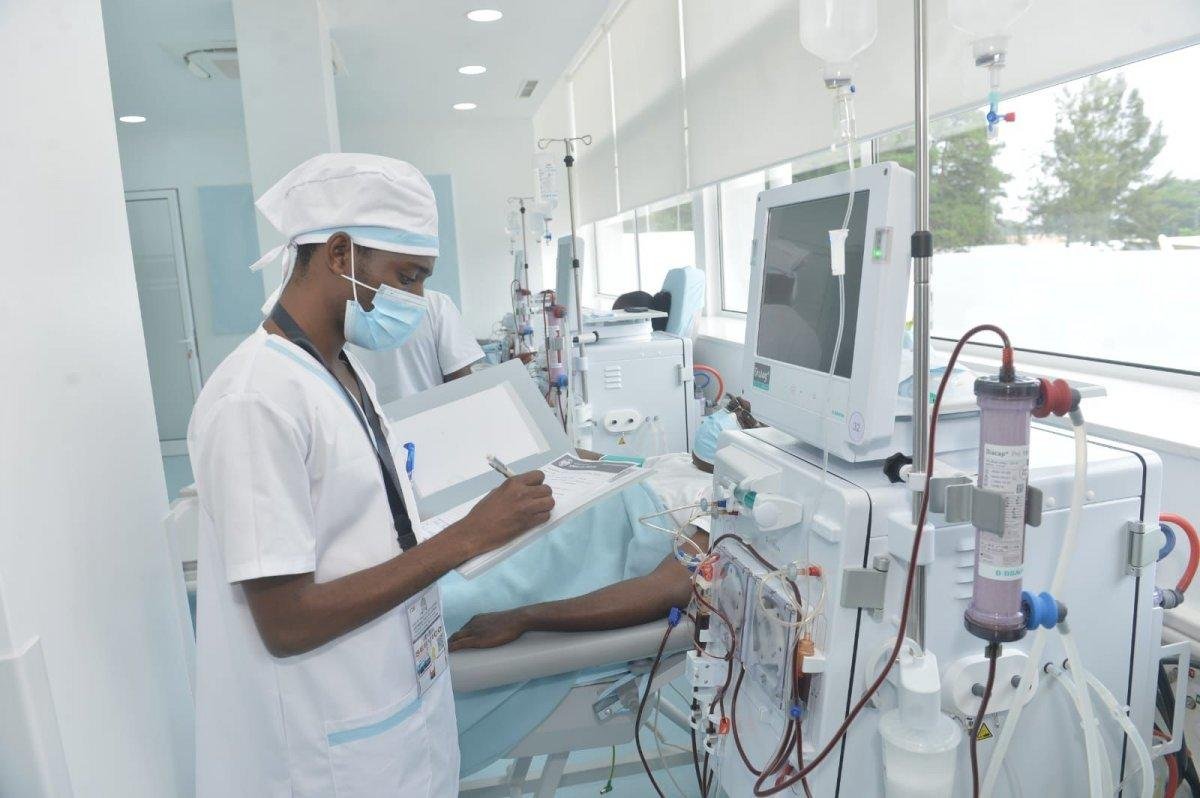
During haemodialysis, blood is taken from the body and passed through a special filter called a dialyser.
Inside the dialyser, the blood flows through many tiny hollow fibres while dialysis fluid flows around them. Waste products and excess substances move from the blood into the dialysis fluid. The cleaned blood is then returned to the patient’s body.
The dialysis machine also helps control important aspects of the treatment, including blood flow and fluid removal.
Vascular Access: The Lifeline for Haemodialysis
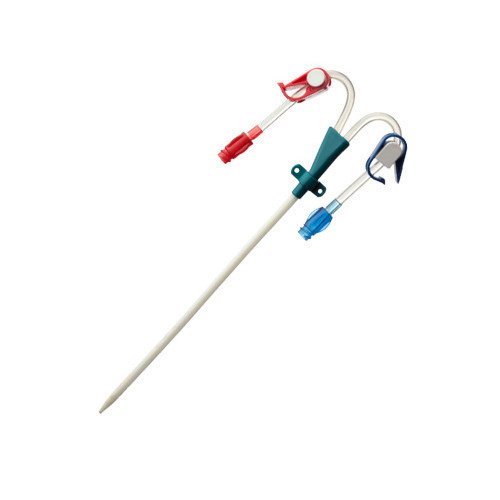
A patient needs vascular access through which blood can be removed and returned during haemodialysis.
Common types include:
- AV fistula
- AV graft
- Dialysis catheter
The appropriate access depends on the patient’s circumstances and should be determined by the healthcare team.
What Should Patients Expect?
Haemodialysis is commonly performed in a dialysis centre under the supervision of trained healthcare professionals. Treatment schedules vary according to the patient’s medical needs and the prescribed dialysis plan.
Patients may also need to make changes to their diet, fluid intake and medications while receiving dialysis.
The Importance of Regular Treatment
Dialysis is not a cure for kidney failure. Instead, it replaces some of the functions normally performed by healthy kidneys. Staying consistent with the prescribed treatment schedule and following the healthcare team’s recommendations are important parts of dialysis care.
Final Thoughts
For patients and families, understanding dialysis can reduce uncertainty and make it easier to participate in care decisions.
At Lupearl Medevice Ltd, we believe that better healthcare begins with reliable information, quality medical supplies and dependable support for healthcare professionals.
This article is for educational purposes and should not replace advice from a qualified healthcare professional.