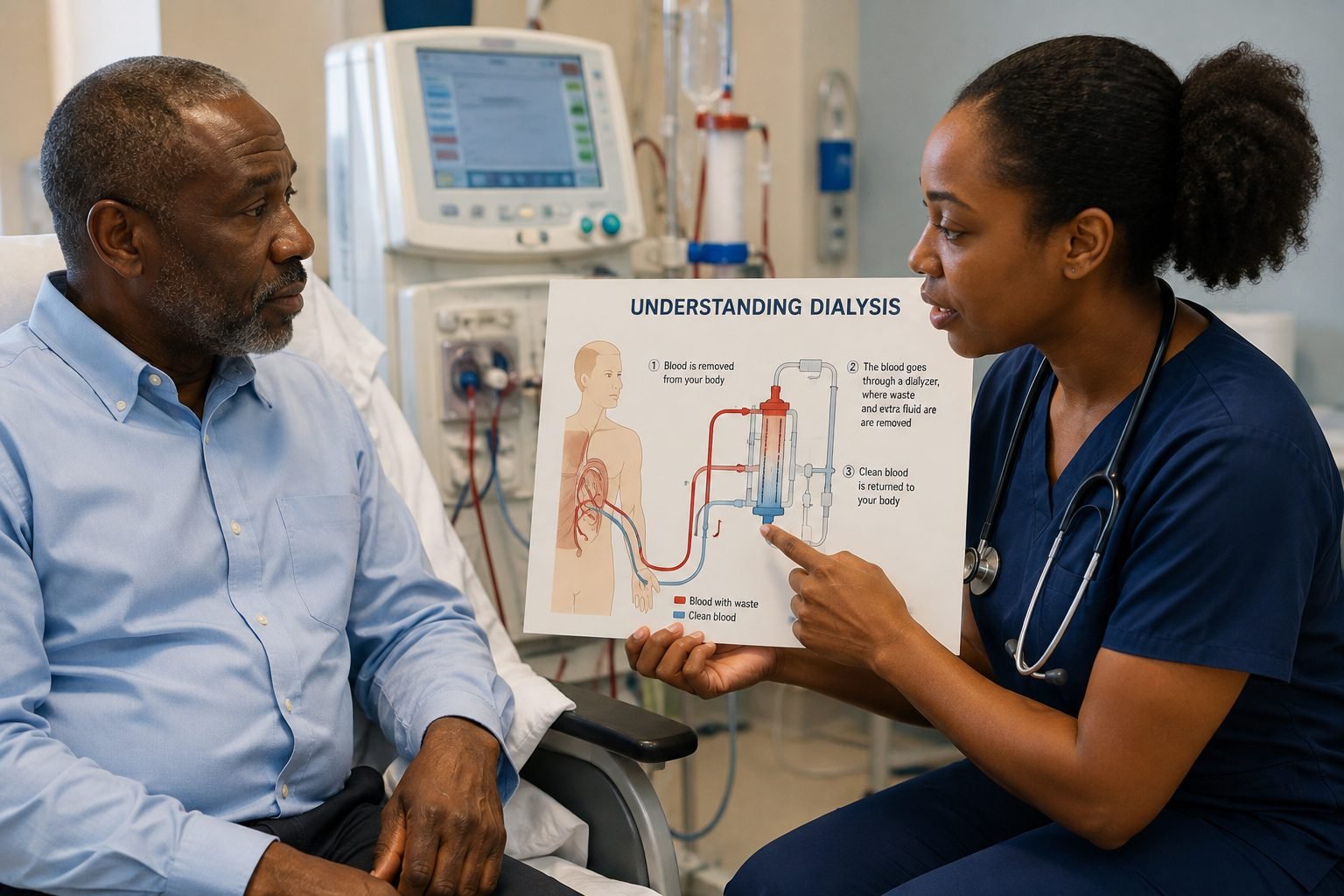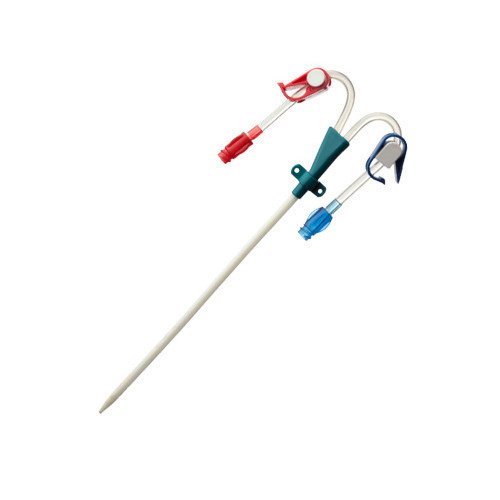
For patients who require haemodialysis, vascular access is essential. One form of access is a dialysis catheter, which provides a route for blood to leave the body and return during treatment.
Understanding dialysis catheters can help healthcare professionals, patients and caregivers appreciate why proper selection and care are so important.
What Is a Dialysis Catheter?
A dialysis catheter is a flexible medical device used to provide vascular access for haemodialysis.
Unlike an AV fistula or graft, a catheter does not require the creation and maturation of a surgical vascular connection. This makes catheters particularly useful in certain situations, including when dialysis needs to begin before another access is ready.
NIDDK identifies three major types of haemodialysis vascular access: AV fistula, AV graft and catheter.
Where Are Dialysis Catheters Placed?
Dialysis catheters may be placed in large veins depending on the clinical situation. Examples include femoral and central venous access sites.
The choice of access location and catheter type should always be made by appropriately trained healthcare professionals based on the patient’s condition and treatment requirements.
Why Does Catheter Care Matter?
Because a dialysis catheter provides direct access to the bloodstream, careful infection-prevention practices are extremely important.
Healthcare teams should follow appropriate hand hygiene, aseptic technique, catheter-access procedures and dressing-care protocols. The CDC recommends observing catheter-access practices and staff competency as part of dialysis bloodstream-infection prevention.
Catheters Require Careful Monitoring
Healthcare professionals should monitor the access for problems such as:
- Signs of infection
- Poor blood flow
- Blockage
- Problems with the catheter site
- Other complications affecting dialysis treatment
NIDDK notes that vascular access can become infected or develop poor blood flow or blockage, potentially affecting the effectiveness of dialysis.
Choosing the Right Product Matters
Dialysis facilities need access products that are appropriate for their clinical requirements and supplied through reliable channels.
Important considerations can include:
- Catheter type
- Size and length
- Intended clinical application
- Product quality
- Packaging integrity
- Availability
- Appropriate storage and handling
Final Thoughts
A dialysis catheter is more than simply a medical supply—it is an important part of the patient’s dialysis access system.
At Lupearl Medevice Ltd, our focus is on providing dialysis consumables and supporting healthcare facilities with dependable medical supply solutions.
Clinical decisions regarding catheter selection, insertion and management should always be made by qualified healthcare professionals.