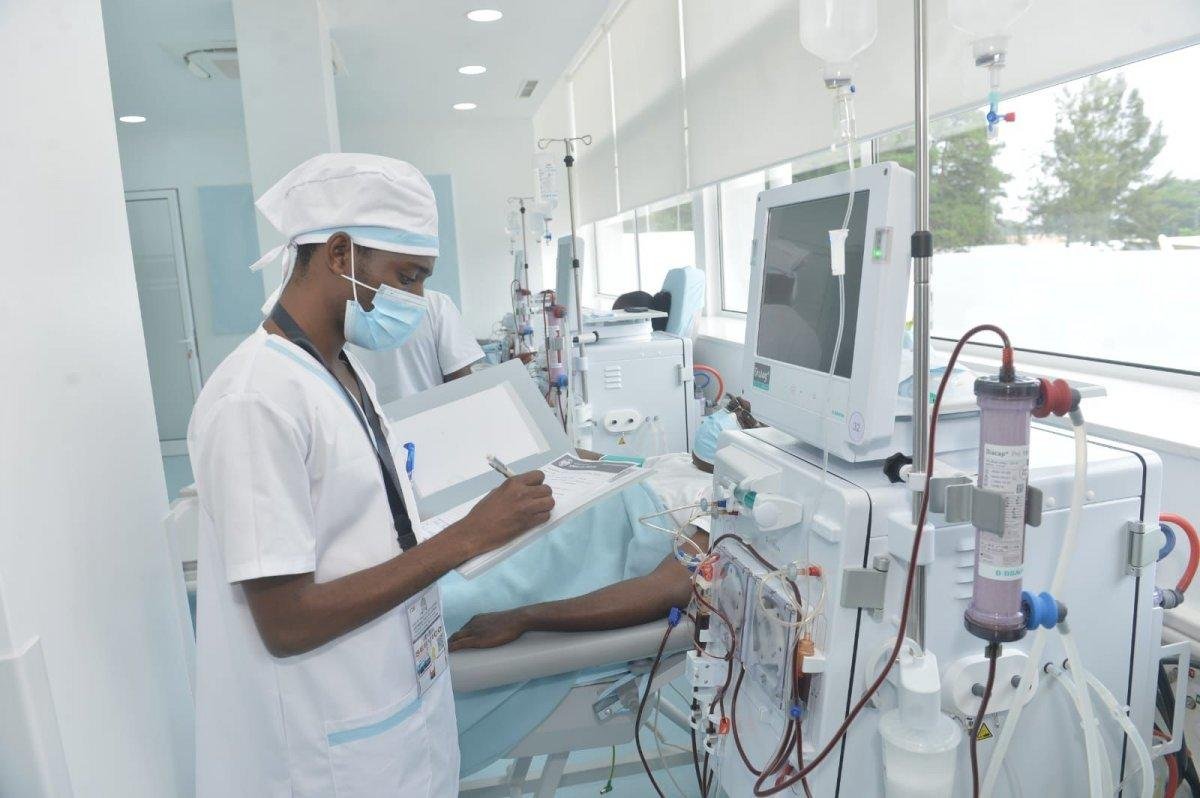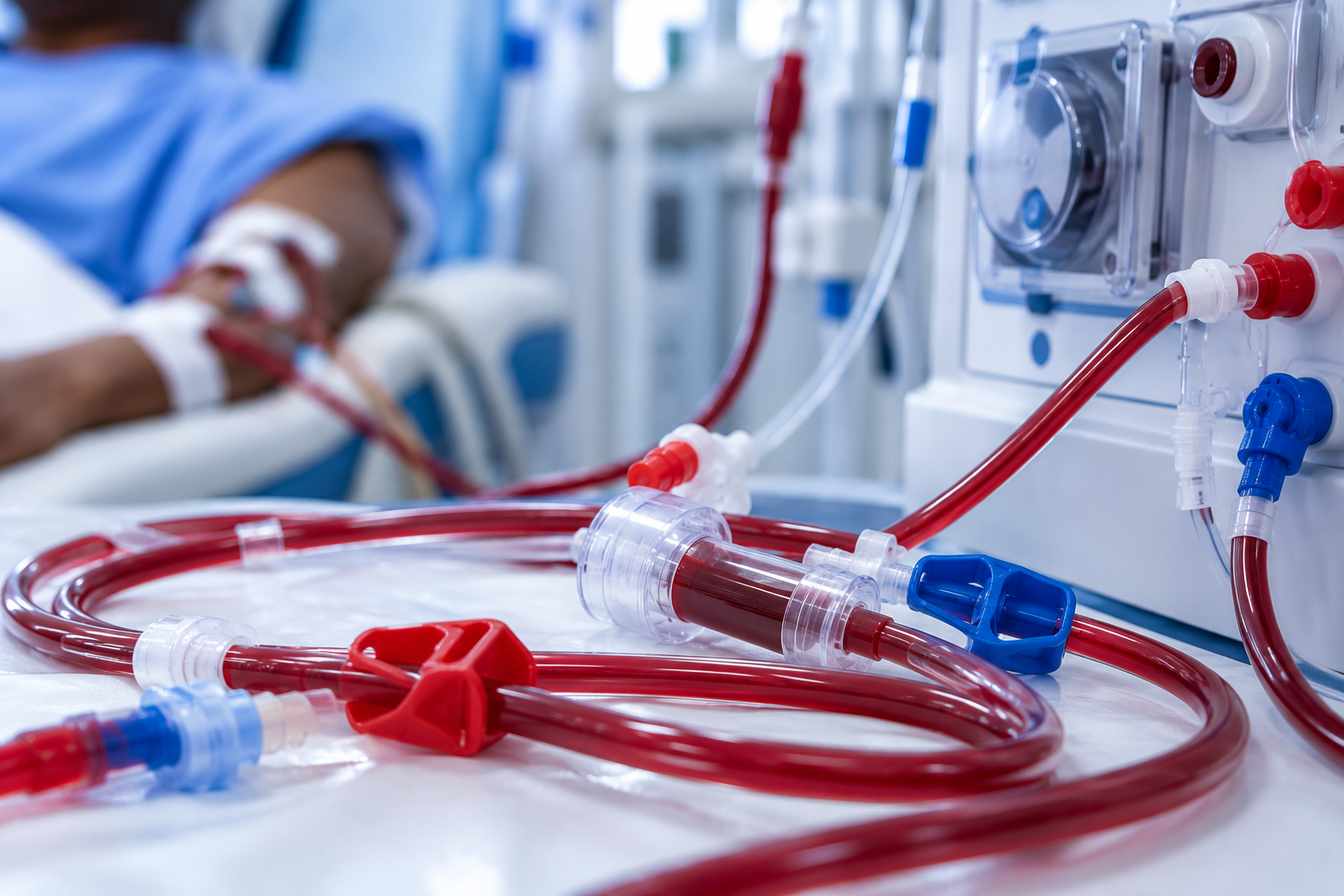
Hemodialysis depends on a carefully controlled extracorporeal blood circuit that allows blood to travel from the patient to the dialyzer and back again.
While much attention is often given to the dialysis machine and dialyzer, the bloodline or blood tubing set is equally important. It forms a critical part of the extracorporeal circuit and must work reliably throughout the treatment.
A bloodline that is poorly manufactured, damaged, incompatible with the dialysis system, or improperly handled can create avoidable problems during treatment.
For dialysis centres, therefore, choosing quality hemodialysis bloodlines is not simply a purchasing decision. It is an important part of maintaining safe and reliable dialysis operations.
What Is a Hemodialysis Bloodline?
A hemodialysis bloodline, also called a blood tubing set, is the tubing assembly used to transport blood between the patient’s vascular access, the dialysis machine and the dialyzer.
The extracorporeal circuit generally includes:
- An arterial bloodline
- A venous bloodline
- Patient and dialyzer connections
- Accessory ports
- Pressure-monitoring components
- Clamps and connectors
- Other components required by the particular bloodline design
The exact configuration varies according to the manufacturer, dialysis machine and treatment system.
International standards specifically address extracorporeal blood and fluid circuits used with hemodialysis and related blood purification therapies.
Why Does Bloodline Quality Matter?
1. Patient Safety
Bloodlines come into direct contact with circulating blood. Their connections, tubing and other components therefore need to function reliably throughout treatment.
A damaged tube, loose connection, defective component or compromised sterile barrier can create serious problems.
FDA quality-assurance guidance for hemodialysis devices recommends checking blood tubing for damage, leaks, occlusions and connector problems before use. It also emphasizes confirming compatibility between the bloodline, dialysis delivery system and dialyzer.
This makes bloodline inspection an important part of dialysis preparation.
2. Reliable Blood Flow
The bloodline has to work properly with the dialysis machine’s blood pump.
The tubing and pump segment must be appropriate for the intended system so that blood can be transported through the extracorporeal circuit as designed.
Poorly manufactured or inappropriate tubing can contribute to problems such as:
- Kinking
- Flow restriction
- Excessive resistance
- Poor connections
- Unexpected pressure changes
FDA guidance on hemodialysis blood tubing sets includes evaluation of tubing for kinking and validation of the blood-pump segment to ensure appropriate blood-volume delivery by the dialysis system.
3. Secure Connections Matter
A bloodline contains multiple connection points. Each connection must remain secure throughout treatment.
A defective connector can potentially result in:
- Blood leakage
- Air entering the extracorporeal circuit
- Loss of sterility
- Treatment interruption
- Blood loss if the circuit cannot be safely returned
A recent FDA alert involving certain blood tubing sets illustrates why connector quality matters. Damaged connectors were associated with micro-air bubbles, potential blood/fluid leakage and possible treatment disruption.
This is why dialysis professionals should not overlook seemingly small components such as connectors, caps and accessory ports.
4. Sterility and Packaging Are Important
A bloodline is supplied as part of a sterile extracorporeal circuit. Maintaining that sterile barrier from manufacturing through use is essential.
Before using a bloodline, dialysis staff should inspect the packaging and confirm that it has not been compromised.
Important checks include:
- Is the package intact?
- Are the protective caps in place?
- Is there visible damage to the tubing?
- Is the product correctly labelled?
- Is the product within its expiry date?
- Does the product correspond to the intended dialysis system?
FDA guidance recommends checking that packaging and caps are intact and that the blood tubing set is appropriately labelled before use.
5. Compatibility With the Dialysis Machine
Not every bloodline is automatically suitable for every dialysis machine.
Dialysis centres should verify that the bloodline is compatible with the specific machine and dialyzer configuration being used.
Compatibility can involve factors such as:
- Blood-pump segment design
- Tubing dimensions
- Connector configuration
- Pressure-monitoring connections
- Dialyzer connections
- Machine-specific requirements
The relevant instructions for use and manufacturer specifications should always be followed.
The current ISO framework includes specific requirements for disposable extracorporeal blood and fluid circuits used with hemodialysis equipment.
What Should Dialysis Centres Look for When Buying Bloodlines?
When purchasing blood tubing sets, price should not be the only consideration.
A dialysis centre should consider:
1. Product quality
Look for bloodlines manufactured according to applicable medical-device requirements and supported by appropriate documentation.
2. Compatibility
Confirm that the bloodline is designed for the dialysis machine and treatment configuration in which it will be used.
3. Secure connectors
Connections should be properly manufactured and suitable for their intended application.
4. Tubing integrity
The tubing should be free from visible defects, damage, unusual deformation or other abnormalities.
5. Packaging integrity
Do not use products with compromised packaging or questionable sterility.
6. Traceability
Hospitals and dialysis centres should maintain appropriate product and lot information so that products can be traced when necessary.
7. Consistency of supply
For a busy dialysis centre, having a dependable source of consistent-quality consumables is important for day-to-day operations.
What Can Happen When Bloodline Quality Is Poor?
Poor-quality or defective bloodlines can create operational and clinical challenges.
Depending on the nature of the problem, a dialysis team may experience:
- Treatment interruptions
- Blood leakage
- Air-in-line alarms
- Pressure-related alarms
- Difficult connections
- Flow problems
- Replacement of the bloodline during treatment
- Loss of blood contained in the extracorporeal circuit
- Increased wastage of consumables
- Delays in treatment
For example, the FDA has reported that certain defective bloodline connectors could allow air into the extracorporeal circuit and potentially cause treatment disruption or blood loss.
This demonstrates that bloodline quality is not simply about appearance or price. Small manufacturing defects can have significant consequences.
Bloodline Inspection Before Dialysis
Before setting up a bloodline, trained dialysis personnel should visually inspect the set and follow the manufacturer’s instructions for use.
A basic inspection can include checking:
Packaging → Labelling → Tubing → Connectors → Caps → Ports → Clamps → Compatibility
Look for obvious signs of:
- Damage
- Leakage
- Occlusion
- Disconnection
- Compromised packaging
- Missing or damaged components
Any product that appears defective or compromised should be handled according to the facility’s policies and the manufacturer’s instructions.
Quality Bloodlines Support Better Dialysis Operations
For dialysis centres, the goal is not simply to purchase the cheapest consumables available.
The better question is:
“Can we depend on this product during treatment?”
Reliable bloodlines can contribute to smoother setup, consistent extracorporeal circuit performance and fewer avoidable interruptions.
Quality management should therefore extend beyond the dialysis machine itself to include the consumables that connect the patient, machine and dialyzer.
Choosing the Right Dialysis Consumables
At Lupearl Medevice Ltd, we understand that dialysis centres need dependable access to essential consumables for their day-to-day operations.
We supply dialysis consumables for healthcare facilities and dialysis professionals, including hemodialysis blood tubing sets and other dialysis-related products.
When sourcing bloodlines, dialysis centres should consider the intended machine, product specifications, quality documentation, packaging integrity and suitability for their clinical workflow.
For product specifications, availability and supply enquiries, contact our team.
Contact Us @ info@lupearlmedevice.com
WhatsApp Us: +2348060206381