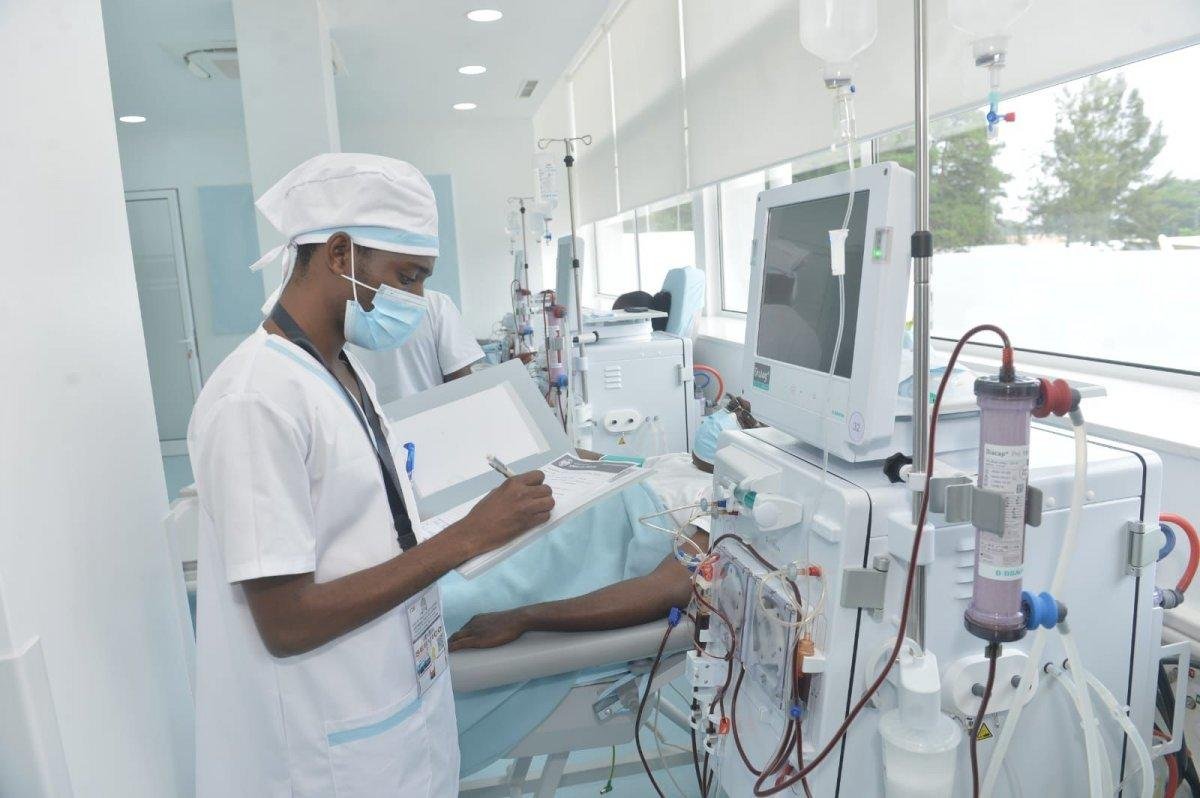
Providing quality dialysis care involves much more than operating a dialysis machine.
A strong dialysis service depends on trained personnel, infection prevention, appropriate equipment, reliable consumables, vascular-access care and consistent clinical processes.
1. Prioritise Infection Prevention
Patients receiving haemodialysis can be exposed to bloodstream infections, making infection prevention a major component of dialysis safety.
The CDC recommends several measures, including hand hygiene, appropriate catheter and vascular-access care, staff education, patient education, aseptic technique and appropriate disinfection practices.
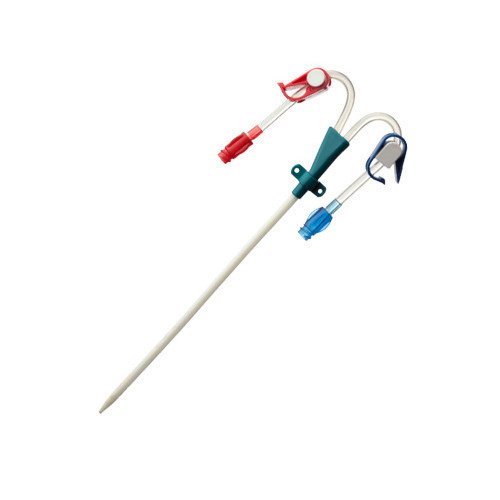
2. Protect Vascular Access
Vascular access is a patient’s connection to the dialysis circuit.
Whether the patient has a fistula, graft or catheter, the access needs appropriate monitoring and care. Problems such as infection, clotting or poor blood flow can interfere with dialysis treatment.
3. Use Appropriate Consumables
Dialysis centres should have access to appropriate consumables for their treatment protocols.
This includes ensuring that products are correctly specified, stored appropriately and available when required.
4. Train and Support Staff
Healthcare professionals need appropriate training and competency for the procedures they perform.
The CDC’s dialysis infection-prevention recommendations include staff education and competency evaluation for areas such as catheter care and catheter access.
Continuous learning can also help teams remain familiar with equipment, procedures and safety practices.
5. Maintain Reliable Equipment
Dialysis equipment needs appropriate maintenance and technical support.
A well-maintained dialysis environment helps healthcare professionals focus on patient care while reducing avoidable operational problems.
6. Educate Patients
Patients are an important part of their own safety.
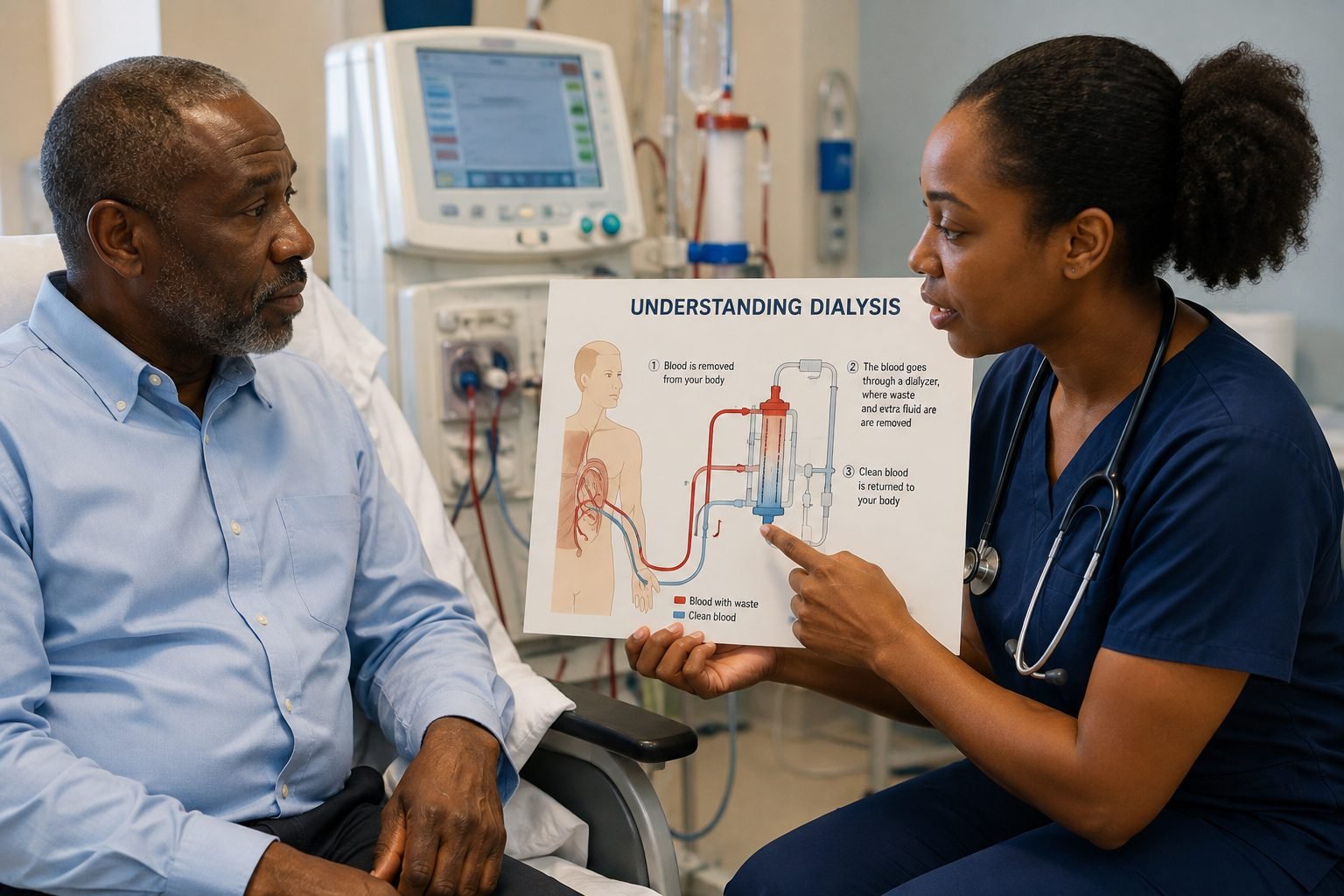
Healthcare teams can educate patients about vascular-access care, hand hygiene, infection warning signs and other aspects of their treatment. CDC specifically recommends patient education and engagement as part of dialysis infection prevention.
7. Build a Reliable Supply System
Even an excellent dialysis facility can face challenges if essential supplies are unavailable.
Facilities should monitor inventory, plan ahead and maintain communication with trusted suppliers.
Final Thoughts
High-quality dialysis care is built on many connected elements: people, equipment, infection prevention, consumables, training and reliable processes.
At Lupearl Medevice Ltd, we understand the importance of dependable dialysis supplies and technical support. Our goal is to help healthcare facilities maintain reliable operations while keeping patient care at the centre of what they do.